


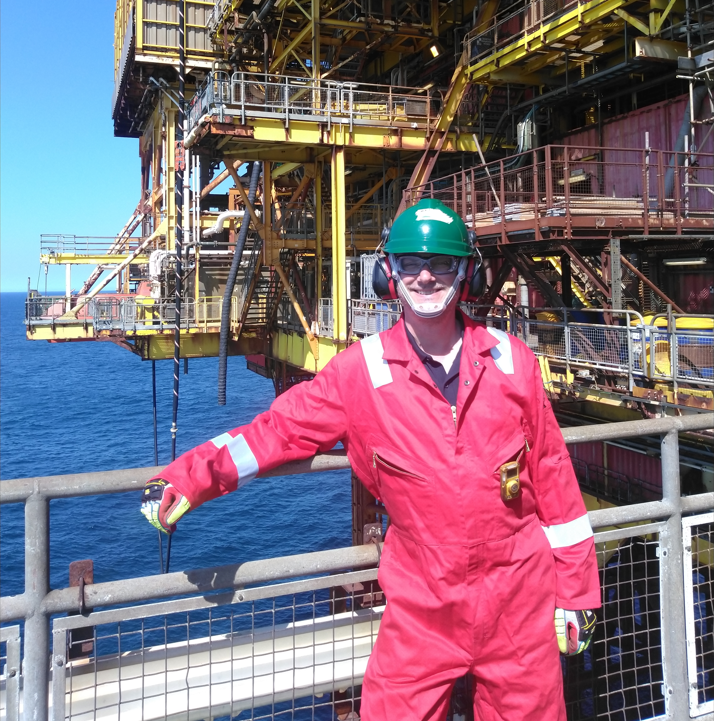

When people think of an engineer, they probably don’t picture someone catching a helicopter to an oil platform in the North Sea. But that’s exactly what Steven Miller does.
Steven has been working offshore since 2014, keeping multifunction devices running on some of Scotland’s offshore installations. We asked him to tell us what a typical trip looks like…
05:30 – The day begins
Breakfast is one of the highlights. You can have anything from a full cooked breakfast to cereals, pancakes and toast. I normally keep it fairly healthy with grapefruit, orange, melon, yoghurt and fruit juice. The exception is the morning I’m heading home… then a full cooked breakfast is definitely on the menu.
06:30 – Morning briefing
Health and safety is the number one priority offshore. BP, for example, uses something called an IRIS card, which everyone is expected to complete each week. It’s a way of recording both good and bad working practices so management can review them and make improvements where needed.
After the meeting, the work permits for the day are issued.
I once had an Offshore Installation Manager tell me my job was more important than his. I asked him how a photocopier engineer could possibly be that important. His answer? “Without a printed permit, nobody can start work.”
He had a point!
Before starting, we also have a Toolbox Talk, where we discuss the day’s work and any safety considerations.
Keeping everything running
The number of days I will be onboard depends on how many machines and problems have been reported.
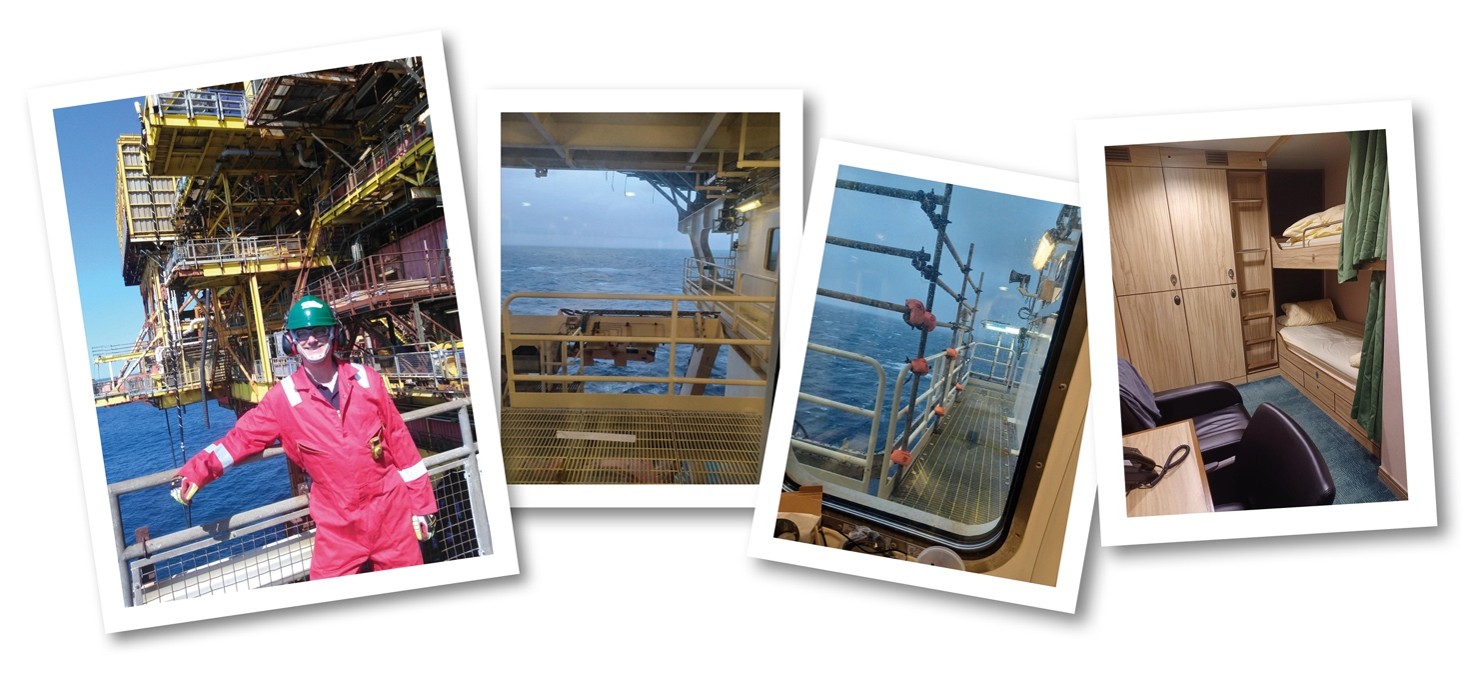
Every trip is different. Typically, it’s one day travelling out, two days carrying out repairs and servicing, then a day travelling home, but it all depends on how many machines are on site and what work needs doing.
All offshore travel in Scotland starts from Aberdeen. There are four helicopter operators, and the one we use depends on the customer. For some of the more northern platforms, we first fly to Shetland on a fixed-wing aircraft before transferring to a helicopter for the final leg of the journey.
Lunch… and then more work
The afternoon is spent continuing repairs and preventive maintenance before the shift finishes at 6:30pm. After handing back my permit and discussing any work that needs carrying over to the next day, it’s finally time to relax.
Life offshore isn’t all work. There are TV rooms, music rooms, card nights, a fully equipped gym, a sauna, snooker and pool tables, so there’s plenty to do in the evenings.
Safety never stops
During induction, we’re assigned primary and secondary muster points. The secondary point is outside by the lifeboats and would only be used if reaching the primary location wasn’t safe.
It’s impressive to see more than 100 people accounted for so quickly, but it also reminds you why offshore safety procedures are taken so seriously.
By around 9:30pm I’m usually in bed, ready to do it all again the next day.
I’ve been working offshore since 2014, after completing the week-long offshore survival course. That included all the safety training you’d expect, plus escaping from an upside-down helicopter underwater! Every four years I complete a refresher course to keep my certification up to date.
I genuinely enjoy the challenge… and, if I’m honest, the extra money doesn’t hurt either!
The people behind Agilico
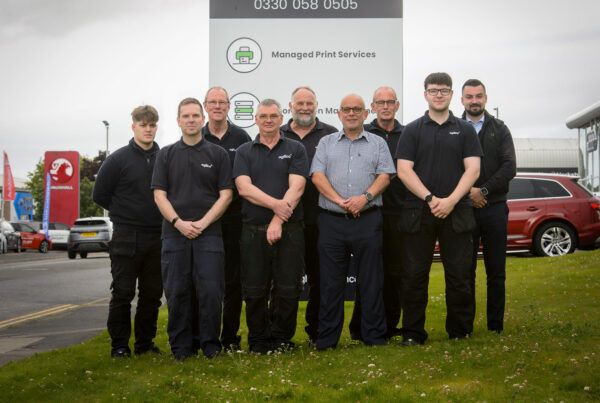
Every member of our engineering team has their own story, and Steven’s is certainly one of the more unusual! Whether it’s an office in Aberdeen or an oil platform in the North Sea, our engineers are committed to keeping our customers running and Making Work Easy. Thanks, Steven, for giving us a glimpse into life offshore.